Human-specific genes, cortical development, and brain evolution
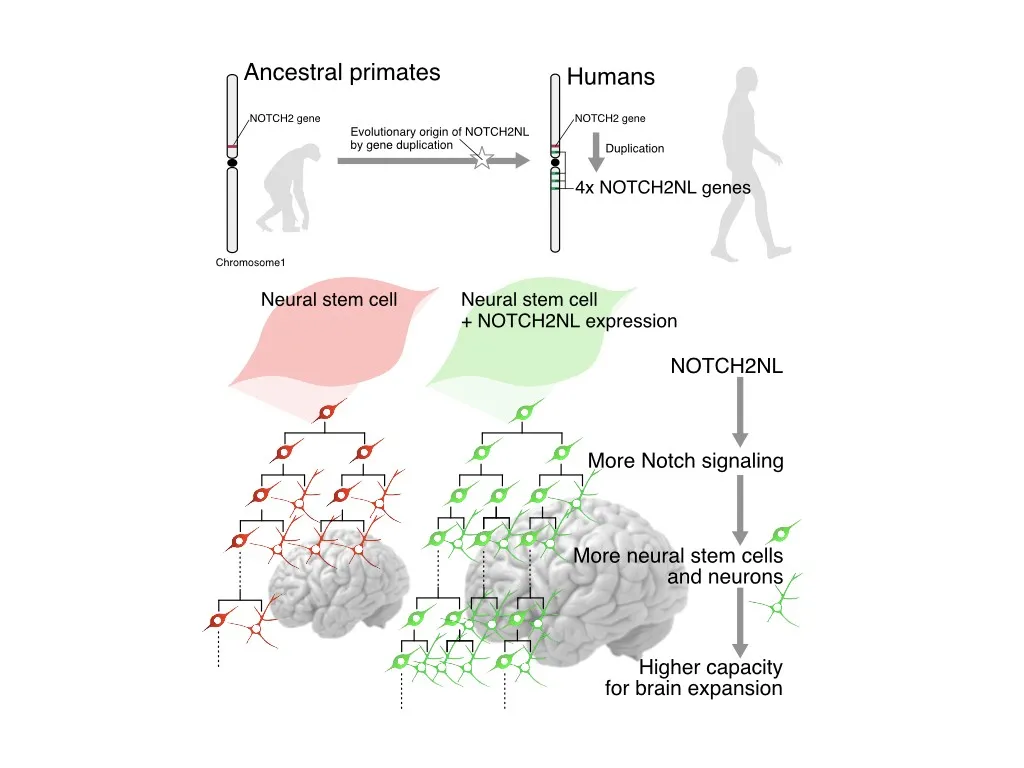
One of the drivers of evolution is the emergence of novel genes through duplication: an ancestral gene is duplicated and the copy evolves into a related, so-called "paralog" gene. Hominid-specific (HS) gene duplications represent a potentially major driving force of evolution, but their impact on human brain evolution remains unclear.
Notch2
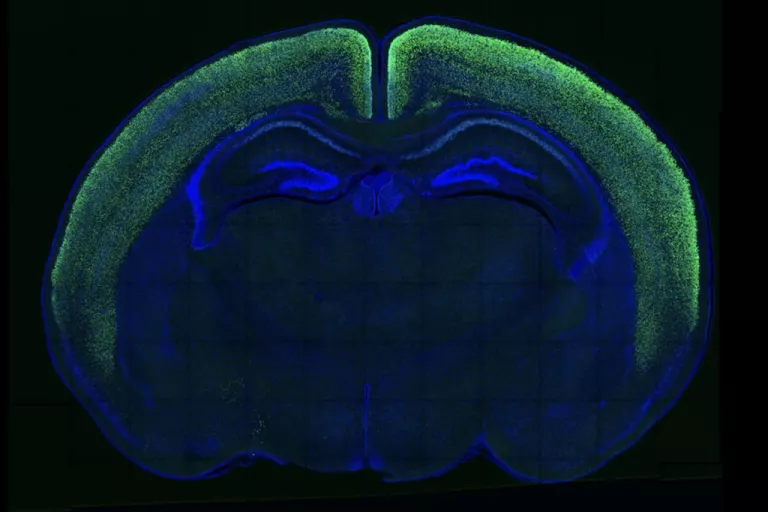
Using tailored RNA sequencing (RNAseq), we recently identified a repertoire of 35 human-specifc genes displaying robust and dynamic patterns during human fetal corticogenesis (Suzuki Cell 2018). Among these we found that NOTCH2NL genes, HS paralogs of NOTCH2, promote the clonal expansion of human cortical progenitors, ultimately leading to higher neuronal production (Suzuki Cell 2018). These data identify NOTCH2NL as human-specific modifiers of neurogenesis that may have played an important role in human brain evolutionary expansion.
Other human specific genes?
What about the many other human-specific genes that we identifed during corticogenesis?
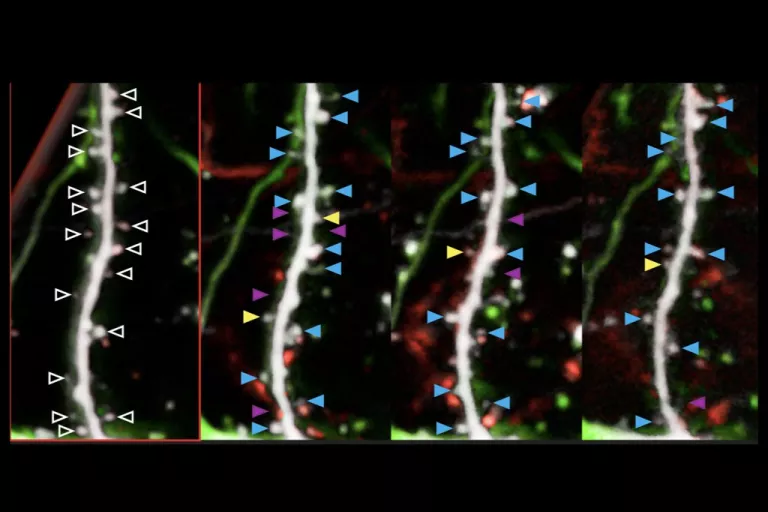
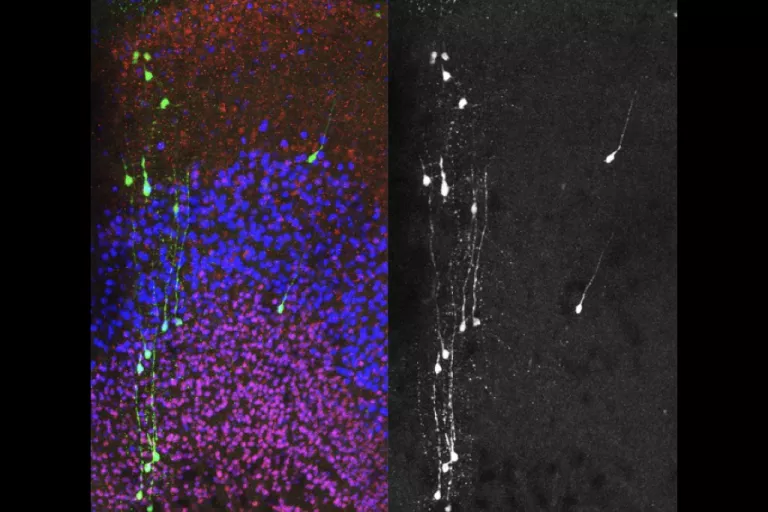
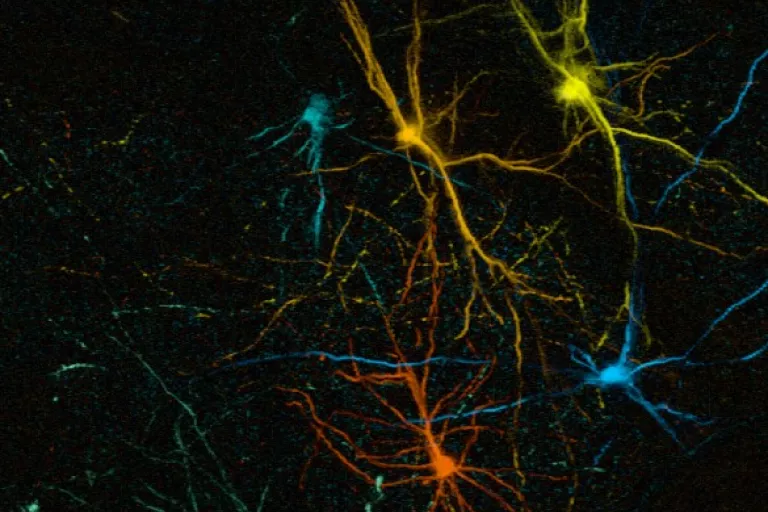
Using a combination of gain of function in the mouse, and gain/loss of function in human and non-human primate pluripotent stem cell-based models of corticogenesis, we explore human-specific gene function from early stages of neurogenesis, to later aspects of neuronal migration, morphogenesis, and synaptogenesis.